
Players who appreciate high-stakes thrills are progressively drawn to the Aviator slot because its multiplier system can deliver outsized returns from a single spin. The game’s core mechanic centers around a steadily climbing coefficient that can attain impressive heights before cashing out, and comprehending how the highest multipliers interact with the rest of the slot’s features is the key to making informed decisions. This article explores the technical specifications that underpin these multipliers, the way volatility influences their frequency, and the practical steps necessary to chase the largest payouts without exposing bankrolls to unnecessary risk.
Comprehending the Aviator Multiplier Engine
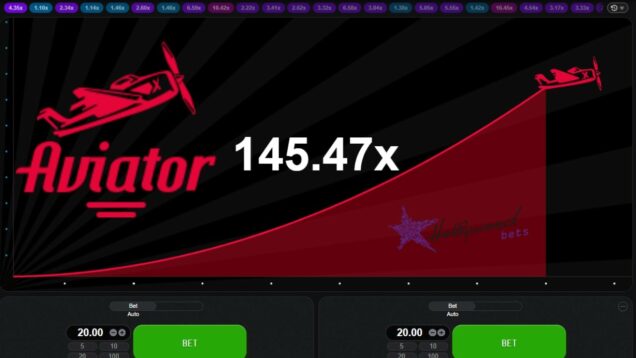
The Aviator multiplier engine is designed around a real-time coefficient that starts at 1.00x and climbs continuously until the round ends. Each second the plane climbs, the displayed multiplier increases by a small fraction, and the rate of growth accelerates the longer the round lasts. Because the coefficient is calculated server-side using a certified random number generator, every player sees the same curve but must decide independently when to cash out. This shared-yet-individual decision point produces the tension that fuels the game’s appeal, while the transparent algorithm assures players that no hidden adjustments favour the house beyond the published RTP.
Unlike traditional slots that attribute fixed multipliers to specific symbols, Aviator connects the multiplier directly to elapsed time. The longer the plane stays airborne, the larger the potential reward, yet the risk of a sudden crash also escalates. Players who study historical round data often notice streaks of short flights followed by occasional long hauls, but these patterns remain statistically independent. Acknowledging this independence assists participants set realistic expectations rather than seeking perceived momentum.
Safe Gaming Limits and Time Management
High-multiplier chasing can generate an adrenaline feedback loop that impairs judgement. Establishing a predetermined number of rounds or a strict time limit before starting play assists maintain perspective. Many operators integrate reality-check pop-ups that show elapsed time and net position, offering players a natural moment to reevaluate whether continued participation aligns with their original goals.
Loss limits should be stated in absolute currency rather than as a percentage of the current balance, because balance fluctuations can skew perceived risk. Once the limit is reached, logging out or switching to a different game avoids the temptation to chase recovery through increasingly aggressive cash-out targets. Support resources, including self-exclusion tools and links to external help organisations, are typically accessible directly from the game menu.
Interface Responsiveness and Interface Responsiveness
Because Aviator app for mobile rounds can last only a few seconds, interface responsiveness directly influences the ability to capture high multipliers. Mobile versions use large, thumb-friendly cash-out buttons and provide haptic feedback when the coefficient crosses user-defined milestones. Wide view maximises the clarity of the climbing graph, while portrait mode keeps stake and balance information within easy reach.
Connection stability is equally important. A sudden drop in connection can block a manual cash-out from registering, resulting in a forced exit at the crash point. Players who frequently pursue multipliers above 10x often turn on Wi-Fi assist or switch to a wired connection when possible. Checking the game in demo mode on the intended device helps spot any latency issues before real money is at stake.
Single-Round Cash-Out Functionality
The principal way to secure a multiplier is the manual cash-out button, which locks in the current coefficient at the moment it is pressed. A successful cash-out immediately adds the round’s winnings to the balance, and the plane keeps flying for other participants who have not yet left. This shared-round structure implies that two players can achieve completely different outcomes from the same flight depending on their individual timing.
Some versions also offer an auto-cash-out feature that allows users to pre-set a target multiplier. Once the coefficient hits the chosen value, the system exits automatically, negating the need for split-second reactions. Auto-cash-out is highly useful during periods of high latency or when playing on mobile devices where screen taps may respond with slight delays. Players should verify that their chosen operator supports this setting and experiment with it in demo mode before wagering real funds.
Dual Cash-Out Approach and Risk Distribution
Experienced participants occasionally utilize a double cash-out approach, splitting their stake into two separate bets within the same round. One portion is configured to exit at a modest multiplier such as 1.5x for certain small profit, while the second portion remains active in pursuit of higher coefficients. This method lowers variance by ensuring at least one bet survives most rounds, yet still delivers exposure to the large multipliers that define Aviator’s reputation.
The strategy requires careful stake allocation because the combined exposure must remain within the player’s overall session budget. Many users divide their round stake evenly, but others prefer uneven splits that protect a larger percentage at the lower multiplier. Irrespective of the ratio chosen, the key is consistency: altering the split mid-session based on recent results can undermine the mathematical edge the method is designed to provide.
The way Volatility Affects Multiplier Frequency
Volatility in Aviator is categorized as high because the bulk of rounds end with modest coefficients, while only a small portion produce the headline-grabbing multipliers above 50x. This distribution means that sessions can feature long sequences of early crashes before a single extended flight accounts for previous losses. Players who opt for steady, smaller wins may find the variance irritating, whereas those comfortable with extended drawdowns can capitalise when the multiplier climbs into double or triple digits.
The game’s published RTP sits around 97 percent, which indicates that over a very large number of rounds the house edge remains modest compared with many other instant-win titles. However, the high volatility means short-term results can differ significantly from this theoretical return. Bankroll management therefore becomes vital: setting strict loss limits and profit targets before each session prevents the multiplier chase from eroding funds faster than planned.
Stake Range and Maximum Win Potential
Stake sizes in Aviator commonly start at a few pence and increase to several hundred pounds per round, letting both casual participants and big spenders to locate accessible options. The maximum theoretical win is in theory unlimited because the multiplier can increase without limit, although in practice the longest recorded flights rarely exceed several hundred times the initial stake. Casinos usually show the present highest multiplier attained within the last 24 hours, offering players a current standard against which to gauge their own goals.
Because returns equal stake times the withdrawal multiplier, wagering twice doubles the absolute return at any particular coefficient. This straightforward connection prompts some players to raise bets after a series of quick busts in hopes of making up for losses quickly. Others opt to hold wagers steady and instead adjust their withdrawal plan, recognising that consistent timing often outperforms reactive bet sizing when fluctuation is high.
Current Metrics and Archival Data Utilities
Most Aviator interfaces include a live statistics panel that displays the last twenty to fifty multipliers, average flight duration, and the highest coefficient recorded in the current hour. Examining these figures can uncover short-term clustering, although each round remains independent. Players who treat the data as informational rather than predictive often develop more disciplined cash-out habits.
Some platforms also supply downloadable CSV files containing round-by-round results over extended periods. Importing this data into a spreadsheet permits users to calculate empirical probabilities of reaching specific multipliers and to back-test different cash-out thresholds. While past performance never guarantees future outcomes, the exercise assists quantify the trade-off between risk and reward in concrete percentage terms.
Pitting Aviator to Traditional High-Multiplier Slots
Conventional slots reach high multipliers via layered bonus features such as free spins, expanding wilds, or progressive jackpots. Aviator swaps out these layers with a unified, transparent coefficient that changes in real time. This simplicity cuts the learning curve for new players yet requires precise timing instead of symbol combination knowledge.
Another distinction lies in session length. A standard slot spin completes in under five seconds, whereas an Aviator round can stretch past thirty seconds when multipliers climb into the hundreds. The extended duration creates a different psychological profile: anticipation builds gradually rather than through rapid reel stops. Players who appreciate watching progress unfold may consider this pacing more engaging, while those who prefer instant outcomes might gravitate back to conventional titles with fixed paytables.
Deixe um comentário